Nurse Halloween Shirt Design: A Designer’s Review
As an embroidery designer who has spent years digitizing and testing files for small business owners, I approach every new Nurse Halloween Shirt Design with a critical eye. It is not enough for a graphic to look cute on a screen; it must hold up under the needle. When I first opened this file, my immediate concern was how the visual elements would translate from a flat digital image into a textured, stitched reality. This review breaks down the practical application of this design, focusing on its viability for real-world projects rather than just its aesthetic appeal.
First Impressions and Visual Personality
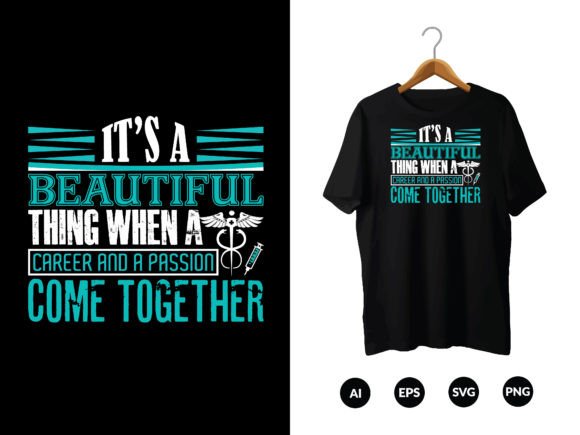
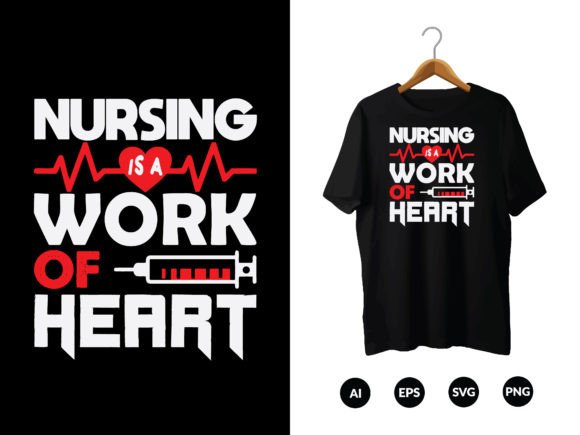
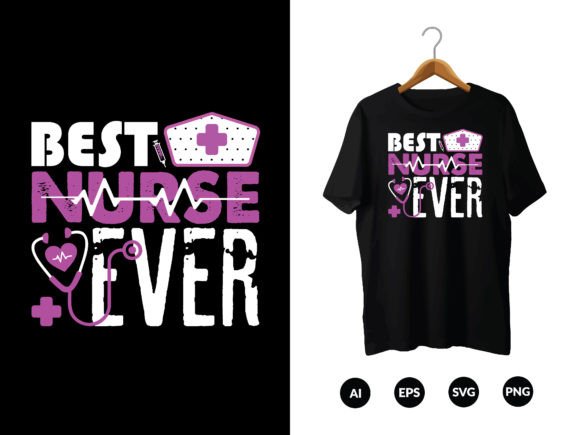
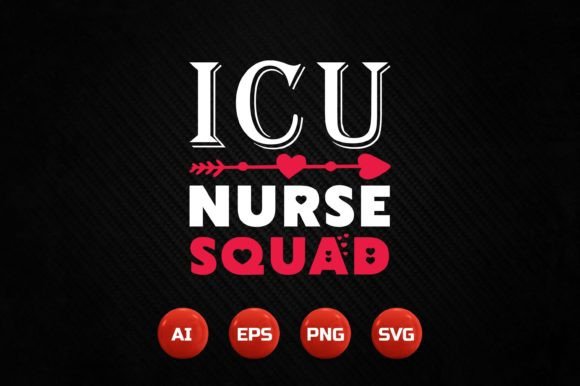
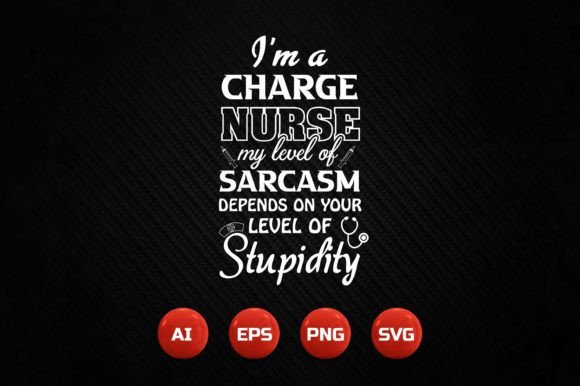
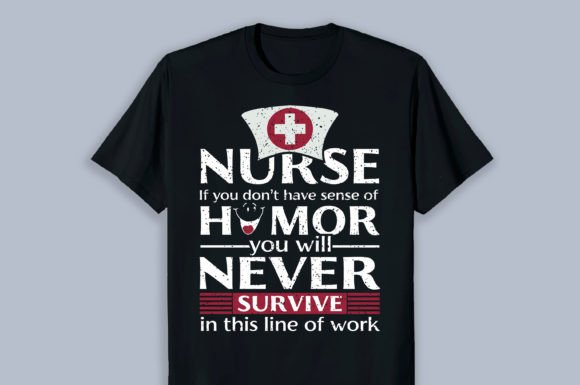
The mood of this design strikes a balance between professional pride and seasonal fun. For nurses and healthcare workers, Halloween is often a busy shift rather than a party, so the design needs to be wearable in a clinical or casual setting without appearing childish. The layout appears clean, which is crucial for embroidery. Cluttered graphics often turn into muddy stitch masses once threaded. From a designer’s perspective, the spacing between elements suggests that the digitizer considered stitch direction, allowing each part of the motif to breathe. This visual personality fits naturally into the category of holiday embroidery that respects the wearer’s profession.
When evaluating T-Shirt Designs and Graphics for conversion, I look for strong silhouettes. This design offers clear shapes that should remain recognizable even from a distance. Whether it is intended as a bold statement on a sweatshirt or a subtle accent on a tote bag, the thematic clarity is its strongest asset. It avoids the overly complex gradients that plague many printable sublimation designs, making it a stronger candidate for thread-based applications.
Real-World Application Scenarios
To truly test the value of a machine embroidery design, I imagine it on specific products. Consider a custom embroidered tote bag for a nursing student. The durability of thread makes this a practical gift that lasts longer than printed ink. If applied to a canvas tote, the design needs sufficient density to cover the weave but not so much that it causes puckering. Another strong use case is sweatshirt embroidery. A fleece or cotton-blend hoodie provides a stable base for larger designs. Here, the Nurse Halloween motif could serve as a left-chest logo or a full-back feature, depending on the scale.
For Etsy sellers and craft business owners, versatility is key. This design could easily adapt to embroidered patch creation. Patches are trending because they allow customers to customize their own gear. By stitching the design onto twill or felt and adding a merrowed edge, you create a high-value handmade product that can be ironed or sewn onto scrubs, jackets, or bags. Additionally, consider baby embroidery for the children of healthcare workers. A onesie with a simplified version of this theme makes for a cherished personalized gift, though scaling down requires careful attention to detail loss.
Technical Considerations for Stitching
Before running this file on your machine, there are several technical factors to address. Since the product description mentions formats like AI, EPS, SVG, and PNG, it is vital to confirm if a native embroidery file (such as DST, PES, or JEF) is included or if you must digitize it yourself. If you are working from a vector or raster image, you will need to manually assign stitch types. Use satins stitch for borders and text to create a smooth, shiny finish. For larger filled areas, a fill stitch with appropriate underlay is necessary to prevent fabric show-through.
Stitch density is a common pitfall. If the design is too dense, it will perforate thin fabrics, causing tears after washing. If it is too sparse, the backing will show. Always test the design on scrap fabric first. I recommend using a cut-away stabilizer for stretchy materials like jersey knits found in t-shirts, and a tear-away stabilizer for stable woven fabrics like aprons or pillow covers. Check thread colors against your fabric choice. High contrast ensures the design pops, while low contrast offers a sophisticated, subtle look.
Fabric and Hoop Constraints
Not all surfaces are created equal. While this design may look perfect on a flat t-shirt, applying it to curved surfaces like caps requires caution. The curvature can distort the image, so smaller hoop sizes might be necessary to maintain integrity. Textured fabrics, such as terry cloth towels or heavy denim, can swallow fine details. In these cases, simplify the design or increase the stitch count slightly to ensure visibility. Dark fabrics require careful color selection; light threads on dark fabric may need a backing layer of white thread to prevent the fabric color from dulling the embroidery.
Be wary of tiny lettering. If the design includes small text, verify that it remains legible at your intended size. Embroidery cannot replicate the precision of print, so letters smaller than 0.25 inches often become unreadable blobs. For commercial embroidery projects, clarity is non-negotiable. Customers expect professional results, and blurry text undermines brand consistency and perceived value.
Commercial Viability and Branding
For small shop product lines, this design offers strong commercial potential. It taps into a niche audience—healthcare workers—who are passionate about their identity and love seasonal expression. Using this as a tote bag design or on custom apparel can drive engagement during the Halloween season. However, always confirm licensing terms. Just because a file is available in SVG or PNG format does not automatically grant commercial rights for finished goods. Check the seller’s policy before listing items on Etsy or at craft fairs.
Creating printable mockup images for your online store is essential. Show the design on various backgrounds to help buyers visualize the finished product. A well-presented mockup can significantly boost buyer confidence. Remember, the goal is to sell the experience and the quality, not just the thread. By treating this digital embroidery file as a component of a larger brand strategy, you enhance its value.
Final Verdict for Makers
The Nurse Halloween Shirt Design is a promising asset for designers who understand the nuances of thread and fabric. It is not a plug-and-play solution for every material, but with proper testing and adjustment, it can yield high-quality results. Focus on hoop size compatibility, choose the right stabilizer, and respect the limitations of embroidery regarding fine detail. Whether you are creating a holiday gift for a friend or stocking inventory for your boutique, this design rewards careful preparation. Treat it with the respect a professional embroidery project deserves, and it will serve your craft business well.