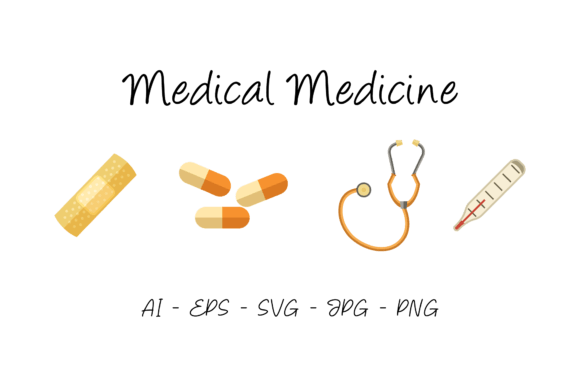
Medical Medicine: A Designer’s Review for Embroidery
As an experienced designer who spends half my life digitizing and the other half stitching, I approach every new Illustrations asset with a critical eye. We have all been there: downloading a beautiful graphic that looks stunning on screen but turns into a tangled mess of thread on fabric. Today, I am taking a close look at Medical Medicine, a design that promises versatility for healthcare-themed projects. This is not just a visual assessment; it is a practical evaluation of how this asset translates from digital Graphics to a tangible, stitched reality.
First Impressions and Visual Personality
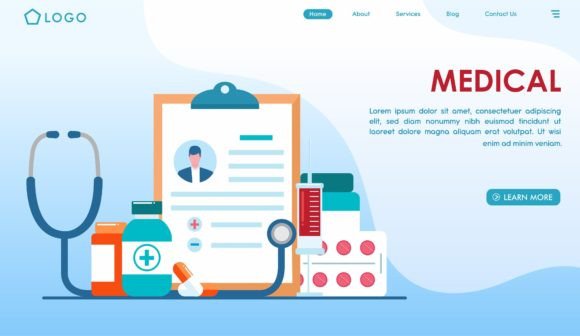
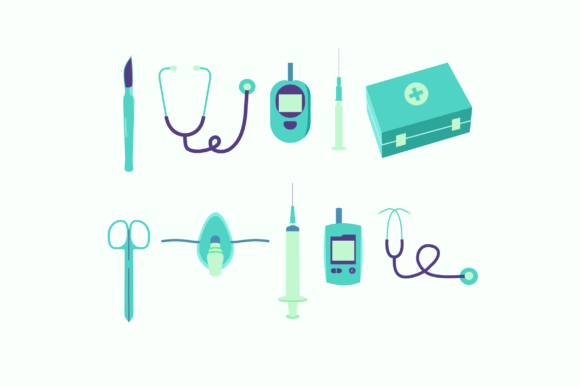
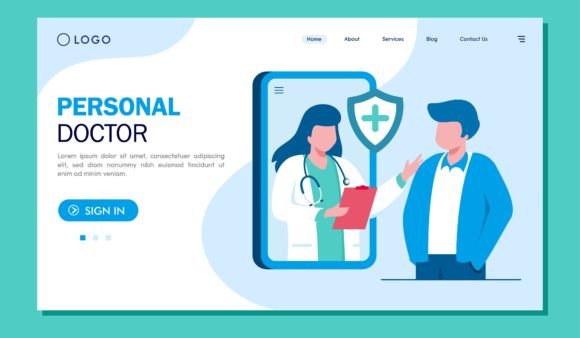
When I first opened the files for Medical Medicine, the immediate impression was one of clean, professional clarity. The mood it creates is reassuring and authoritative, which is exactly what you want in medical-themed decor or apparel. The layout feels balanced, avoiding the clutter that often plagues complex thematic designs. For embroidery designers, this simplicity is a blessing. It suggests that the transition from vector lines to stitch paths will be straightforward, reducing the risk of unnecessary density that can stiffen fabric.
The visual personality of Medical Medicine leans towards modern minimalism. It does not rely on excessive ornamentation, which makes it highly adaptable. Whether you are aiming for a clinical, sterile look or a warmer, community-health vibe, the core shape allows for interpretation through thread choice. This flexibility is crucial for crafters who need to match specific brand colors or personal preferences.
Real-World Application: The Custom Tote Bag Test
To truly understand the value of a design, you must imagine it in use. Let us consider a real-life scenario: preparing a custom embroidered tote bag for a local nursing graduation gift. Tote bags are typically made from canvas or heavy cotton, fabrics that can handle moderate stitch density but still require careful planning.
In this context, Medical Medicine shines. Because the design is provided as high-resolution digital files (1920px x 1280px canvas size), I can easily scale it to fit a standard hoop without losing edge definition. When visualizing the stitching, I imagine using a satin stitch for the primary outlines to give them a raised, premium feel, while employing a fill stitch for any larger solid areas to ensure coverage without excessive bulk. The result would be a durable, washable accessory that a nurse could proudly carry to clinical rotations. It transforms a simple bag into a personalized gift that carries emotional weight and professional pride.
Versatility Across Products and Fabrics
Beyond tote bags, this design has significant potential across various handmade products. For custom apparel, such as sweatshirt embroidery, the design needs to hold up against the texture of fleece or French terry. Here, the clean lines of Medical Medicine prevent the "blobbing" effect that occurs when intricate details get lost in plush fabrics. It would also work beautifully as an embroidered patch, where the backing stabilizer provides extra support, allowing for denser stitching if desired.
For baby embroidery projects, such as onesies or burp cloths, caution is key. While the theme is appropriate for pediatric clinics or new parent gifts, you must ensure the stitch density is low enough to keep the garment soft against sensitive skin. Using a running stitch for finer details instead of heavy satin stitches can mitigate stiffness. Similarly, for kitchen towels or aprons, the design offers a professional touch for medical staff who appreciate humor or pride in their profession, even during off-hours.
Navigating Technical Challenges
No design is without its challenges, and honest review requires addressing where Medical Medicine might require extra attention. If you are working with small hoop sizes, you must verify that the essential elements of the design remain legible when scaled down. Tiny lettering or intricate corners can become problematic if the needle penetrates the same spot too many times, leading to thread breaks or fabric puckering.
Textured fabrics present another hurdle. On highly textured materials like waffle knit or rough linen, the smooth edges of the original Illustrations may appear jagged once stitched. In these cases, increasing the stitch count slightly or using a thicker thread can help bridge the gaps in the fabric weave. Dark fabrics also require strategic planning. If the design relies on subtle shading, it may disappear on black or navy material. Always test your thread color contrast on scrap fabric before committing to the final product.
Curved surfaces, such as caps or hats, demand precise digitizing. While the source files are AI, EPS, and SVG formats—ideal for editing and digitizing—you must ensure the final machine embroidery file is optimized for the curve of a cap. Improper stabilization here can lead to distortion, so using a strong cut-away stabilizer is non-negotiable.
Commercial Value and Brand Consistency
For Etsy sellers and small shop owners, the commercial viability of a design is paramount. Medical Medicine offers a professional aesthetic that builds customer trust. A well-executed embroidered item signals quality, encouraging higher price points and repeat business. The design’s neutrality allows it to fit seamlessly into various brand identities, from boutique medical supply shops to independent craft businesses selling holiday embroidery gifts for healthcare workers.
When creating printable mockups or digital product previews, the high resolution of the source files ensures that your marketing materials look crisp and professional. This attention to detail in presentation directly impacts buyer engagement. Customers are more likely to purchase a finished product that looks polished and thoughtfully designed.
Practical Notes for the Embroidery Designer
Before you launch into production, here are my top recommendations for working with this asset:
- Test on Scrap Fabric: Always stitch a sample on the same material you plan to use for the final product. This reveals issues with tension and density early.
- Check Thread Color Contrast: Ensure your thread choices stand out against the fabric background, especially for light-on-light or dark-on-dark combinations.
- Review Stitch Density: If you are digitizing this yourself from the SVG or AI file, keep the density moderate to maintain fabric drape.
- Confirm Hoop Size: Make sure the scaled design fits comfortably within your hoop with adequate margin for stabilization.
- Inspect Small Details: Zoom in on the digital file to identify any tiny elements that may need simplification for embroidery.
- Use Proper Stabilizer: Match your stabilizer type (cut-away, tear-away, or wash-away) to the fabric weight and stretch.
- Verify Licensing: Although you receive AI, EPS, and SVG files, always confirm the license terms before selling finished items or using the design in commercial embroidery projects.
In conclusion, Medical Medicine is a robust addition to any designer’s library. It balances aesthetic appeal with practical usability, making it suitable for a wide range of embroidery projects. By respecting the technical limitations of fabric and thread, you can transform this digital asset into a high-quality handmade product that resonates with customers and elevates your craft business.