Medical Icon Illustration-1: A Designer’s Stitch Review
As an embroidery designer who has spent years digitizing files and testing them on everything from delicate baby onesies to heavy canvas tote bags, I have learned that not all graphics translate well to thread. When I first opened the Medical Icon Illustration-1 file, my immediate reaction was one of cautious optimism. In the world of machine embroidery, clean lines are everything. This set of Icons and Graphics promises versatility, but does it hold up under the needle? I decided to put it through a rigorous real-world test to see if it belongs in your commercial embroidery toolkit.
First Impressions and Visual Clarity
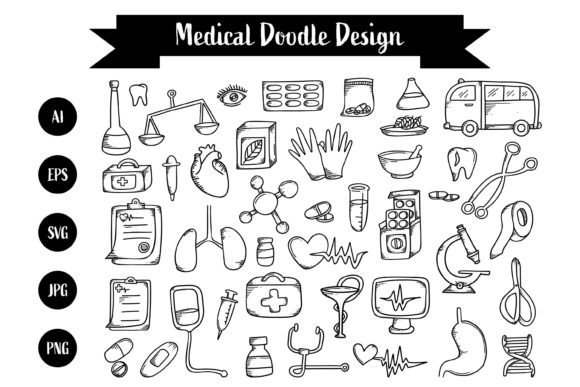
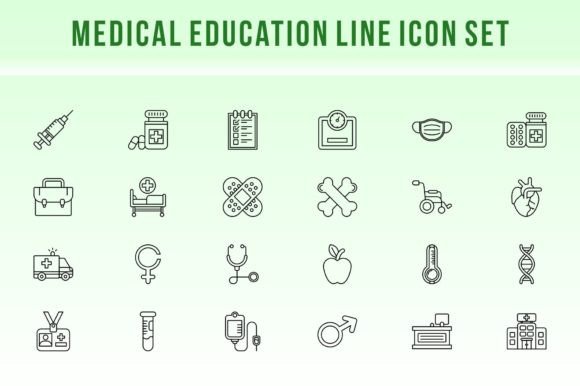
The initial visual appeal of Medical Icon Illustration-1 is its simplicity. In embroidery, complexity can often lead to stitching nightmares, especially when dealing with small hoop sizes or textured fabrics. The design features bold, recognizable shapes that communicate their medical theme instantly without relying on excessive detail. This is crucial for a finished product because embroidery is a tactile medium; too much density makes the fabric stiff, while too little detail makes the image unrecognizable from a distance.
The mood this design creates is professional yet approachable. It lacks the sterile coldness sometimes associated with clinical imagery, making it suitable for a wider range of applications. Whether you are creating a personalized gift for a nurse or branding merchandise for a local clinic, the visual personality feels balanced. The layout is compact, which suggests it will scale well, but as any experienced crafter knows, resizing requires careful attention to stitch density.
Real-World Application: The Custom Tote Bag Test
To evaluate how Medical Icon Illustration-1 performs in a real-life scenario, I chose to embroider it onto a natural cotton tote bag. Tote bags are a staple for Etsy sellers and small shop products because they are practical and highly visible. I wanted to see if the design could serve as a central focal point without overwhelming the fabric texture.
I used a standard stabilizer to support the weave of the cotton. The result was impressive. The satin stitch edges remained crisp, and the fill stitch areas laid flat without puckering. This is a significant win for anyone looking to create high-quality handmade products. The design did not pull the fabric, which is a common issue with dense digital embroidery files. For an embroidery project like this, the clarity of the icon ensures that the message is clear even from across the room, enhancing the professional look of the custom apparel or accessory.
Versatility Across Product Lines
Beyond tote bags, I considered how this design would fit into other popular categories for craft business owners. For sweatshirt embroidery, the design works well on the chest pocket area or the upper back. The bold lines stand out against the fuzzy texture of fleece, provided you use a cut-away stabilizer to prevent distortion. For baby embroidery, such as on burp cloths or onesies, the simplicity is again an asset. However, I would recommend reducing the size significantly and ensuring the thread colors are soft and skin-friendly.
If you are an Etsy seller focusing on holiday embroidery or appreciation gifts, this graphic fits perfectly into themed collections. Imagine pairing it with text for a "Nurse Appreciation Week" gift or using it as a subtle accent on a kitchen towel for a medical professional. The ability to use these Icons in various contexts makes them valuable design assets for any creative entrepreneur.
Technical Considerations and Limitations
While Medical Icon Illustration-1 is robust, there are areas where caution is necessary. Embroidery designers must always consider the interplay between the design and the fabric. On stretchy fabrics like jersey knits, even a well-digitized file can distort if not properly hooped and stabilized. I advise testing the design on scrap fabric first to determine the best stabilizer combination.
Another critical factor is color contrast. Since this is a graphic-based design, it relies on shape rather than shading. If you choose thread colors that are too similar to your fabric background, the design will vanish. Always check your design in black and white mockups before stitching to ensure the silhouette remains distinct. This is particularly important for dark fabric projects where visibility can be challenging.
Additionally, be mindful of curved surfaces like caps. While the design is resizable, placing it on a structured cap requires precise positioning to avoid distortion around the seams. For detailed corners, ensure your machine is well-maintained and your needles are sharp to prevent thread breaks or uneven stitches.
Enhancing Brand Value and Customer Trust
For boutique branding and commercial embroidery projects, consistency is key. Using a cohesive set of Icons helps build brand recognition. Medical Icon Illustration-1 offers a level of professionalism that can elevate a simple embroidered patch into a premium item. Customers associate clean, well-executed embroidery with quality. When they see a crisp, clear design on a personalized gift or custom apparel, it builds trust in your craft business.
This design also supports better buyer engagement. In online listings, clear images of the finished product are essential. Because the design is openable, editable, and resizable without losing quality, you can create various printable mockup options to show potential buyers how the item looks on different products. This flexibility allows you to market to a broader audience, from those seeking subtle accents to those wanting bold statements.
Practical Notes for the Modern Maker
Before you download and start stitching, here are some practical steps to ensure success with Medical Icon Illustration-1:
- Check Licensing: Confirm whether the license allows for commercial use if you plan to sell finished items or digital products. This is vital for protecting your small shop product line.
- Test Stitch Density: Even though the file is resizable, extreme scaling can affect stitch density. Test on similar fabric to ensure the thread coverage is appropriate.
- Thread Selection: Use high-quality rayon or polyester threads to maintain the vibrancy and durability of the design, especially for items that will undergo frequent washing.
- Hoop Size Compatibility: Ensure your machine’s hoop size accommodates the scaled version of the design you intend to use.
- Fabric Texture: Be aware that textured fabrics may obscure fine details. This design is best suited for smooth to medium-texture materials.
In conclusion, Medical Icon Illustration-1 is a versatile addition to any embroidery designer’s library. It balances aesthetic appeal with technical practicality, making it suitable for a wide range of embroidery projects. Whether you are creating a heartfelt personalized gift or expanding your Etsy seller inventory, this design offers the reliability and clarity needed for professional results. Just remember to respect the material constraints and always test before committing to your final fabric.